Embroidery machine thread keeps breaking: causes and fixes
Last checked: November 26, 2026. This guide is based on research of public sources. We did not test any product.
Short answer
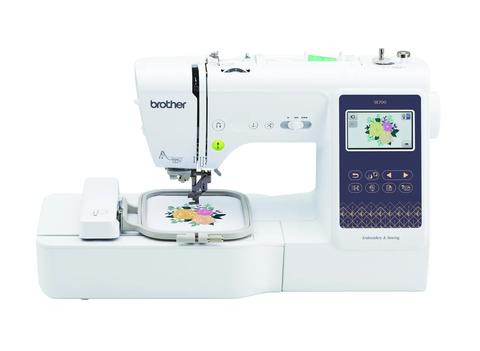
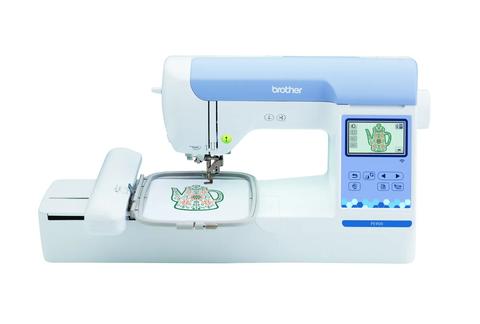
- Rethread the upper thread and the bobbin first. Brother lists incorrect upper threading as the first cause of thread breaks on the SE700 and the PE900.
- Next, put in a new embroidery needle. Schmetz and Madeira each give a needle life of about 8 hours of stitching.
- Then check the thread, the tension, the speed, the parts, and the design. Madeira says thread that frays has more to do with burrs and nicks in the thread path.
- The SE700 manual gives incorrect upper threading as the cause of a thread nest below the fabric (birdnesting). Bobbin thread on top means tight upper tension or an incorrectly installed bobbin.
The checks, in the order that makers give them
Makers do not agree on one exact order, but their lists start in the same place. Brother, Schmetz, and Melco start with the thread path. OESD and Urban Threads start with a new needle. Source [1] Source [2] Source [3] Source [4] Source [5]
- Rethread the upper thread and the bobbin. Brother lists incorrect upper threading as the first cause on its FAQ pages for the SE700 and the PE900. The SE700 manual says the machine cannot be threaded if the presser foot is not raised. Source [1] Source [6] Source [7]
- Replace the needle. Brother says to replace a bent or dull needle and to use a 75/11 ball point needle for embroidery on these two machines. Schmetz and Madeira each give a needle life of about 8 hours. Our supplies guide covers which needle to buy first. Source [1] Source [6] Source [2] Source [8]
- Make sure that the needle is installed correctly. Brother lists an incorrectly installed needle as a cause. Ricoma says the needle eye must point to the front on its multi needle machines. Source [1] Source [9]
- Check the thread. Brother lists knots, tangles, and weak or dry-rotted thread, and says to try a different thread of good quality. Madeira says to store embroidery thread in cool, dry conditions away from strong light. Source [1] Source [6] Source [8]
- Check the tension. Brother and Schmetz list upper tension that is too tight. Urban Threads says balanced tension shows bobbin thread on one third to one half of the back of a satin column. Source [1] Source [2] Source [5]
- Decrease the speed. Madeira and Urban Threads each say to slow the machine down if the thread continues to break. Source [8] Source [5]
- Look for scratches and burrs. Brother lists scratches around the needle plate opening, around the presser foot opening, and on the bobbin case, and says to replace the part. Ricoma says burrs on the needle plate, the rotary hook, or the thread path can shred thread. Source [1] Source [9]
- Check the design. Melco says that if a test design stitches well and the problem design does not, the design is the probable cause. The design can be too dense or scaled down too far. Source [10]
- Check the stabilizer and the hooping. Brother lists missing stabilizer as a cause of upper thread breaks. Madeira says hooping that is too loose or too tight puts stress on the needle and the thread. Source [1] Source [8]
Symptom, likely cause, and fix
| Symptom | Likely cause | Fix |
|---|---|---|
| Thread breaks or snaps | Incorrect upper threading, or a bent or dull needle | Rethread the upper thread and the bobbin. Replace the needle. |
| Thread frays or shreds | A burr or nick in the thread path, a needle that is too small, or tension that is too tight | Replace the needle or use a larger size. Check the needle plate, the presser foot, and the bobbin case for scratches. |
| Thread tangles in a nest below the fabric (birdnesting) | Incorrect upper threading | Remove the tangled thread. Remove the upper thread and thread the machine again. |
| Bobbin thread shows on top | Upper tension that is too tight, or a bobbin thread that is installed incorrectly | Decrease the upper tension. Install the bobbin again. |
| Thread breaks in one design only | A design that is too dense or scaled down too far | Stitch a test design. If it stitches well, the design file is the probable cause. |
Sources for this table: Source [1] Source [11] Source [7] Source [8] Source [2] Source [10]
Thread that shreds or frays
Madeira separates the two faults. Thread breaks usually come from tension, interference in the thread path, old thread, or poor digitizing. Thread that frays has more to do with burrs and nicks in the thread path. Source [8]
Ricoma says a burr in the needle can shred thread. Schmetz lists a needle that is too small as a cause of frayed stitches. OESD says embroidery needles have a longer eye to prevent shredding of embroidery thread. Source [9] Source [2] Source [4]
Birdnesting and thread that tangles
Embroidery Legacy defines a bird's nest as thread that bunches up on the back of the stitching. The SE700 manual names one cause for tangled thread on the back of the fabric: incorrect upper threading. The upper thread is not pulled up firmly, so it tangles in the bobbin case and the machine rattles. The remedy is to remove the tangled thread, remove the upper thread, and thread the machine again. Source [12] Source [7]
Embroidery Legacy lists more causes. The tension discs are locked when the presser foot is down, so thread that goes in at that time gets no tension. A missed take-up lever, a bobbin that is not installed correctly, and a dirty bobbin case are also on its list. Source [12]
Bobbin thread that shows on top
Brother's SE700 FAQ says the tension is correct when the upper thread is just visible on the back of the fabric. If the bobbin thread shows on top, the upper tension is too tight, and the fix is to decrease it. Brother says to keep the SE700 dial between 2 and 6 for embroidery. On the PE900, the tension keys are on the screen. Source [11] Source [13]
If the tension does not come right, Brother says to rethread the upper thread and install the bobbin again. The SE700 manual says a bobbin thread that is threaded incorrectly gets no tension, so the upper thread pulls it through the fabric. Source [11] Source [13] Source [7]
Thread problems recorded in our machine guides
- Brother PE900: an owner reports a thread nest below the fabric at the start of a design. Her fix is to trim the bobbin thread tail, rethread the upper thread through the tension discs, and use an evenly wound bobbin. Source [14] Source [15]
- Brother SE700: Brother documents bobbin thread that shows on top of the embroidery. The fix is the tension change in the section before this one. Source [11]
- PooLin EOM: owners report thread break errors and tension trouble in their first test designs. One owner had no trouble after a change of thread brand. A hoop seller says to extend the thread stand fully and to wrap the thread around the break sensor wheel. Source [16] Source [17] Source [18]
- Smartstitch S-1001: a hoop seller reports that Smartstitch owners find the tension sensitive. Its fix is to follow the threading path exactly and to adjust the tension discs in small steps. Source [19]
Questions people ask
- Why does my embroidery machine thread keep breaking?
Brother lists incorrect upper threading first. Its list continues with knots, tight upper tension, a bent or dull needle, scratched parts, and weak thread. Rethread the machine and replace the needle before the other checks. Source [1] Source [6]
- Why is my embroidery machine birdnesting?
The SE700 manual gives incorrect upper threading as the cause of tangled thread below the fabric. Embroidery Legacy adds threading with the presser foot down and a bobbin that is not installed correctly. Source [7] Source [12]
- Why is my embroidery bobbin thread showing on top?
Brother says the upper tension is too tight when the bobbin thread is visible on top, so decrease the upper tension. If that does not correct it, rethread the upper thread and install the bobbin again. Source [11] Source [13]
- Why does my embroidery machine thread keep shredding or fraying?
Madeira says fraying has more to do with burrs and nicks in the thread path. Schmetz lists a needle that is too small, tension that is too tight, and damaged thread. Source [8] Source [2]
- How often should I change an embroidery machine needle?
Schmetz says approximately every 8 hours, and Madeira gives about 8 hours of running time. OESD says every 5 hours for chromium needles and about every 25 hours for titanium needles. Source [2] Source [8] Source [4]