What stabilizer to use for machine embroidery
Last checked: November 26, 2026. This guide is based on research of public sources. We did not test any product.
Short answer
- Use cut-away stabilizer on fabric that stretches: T-shirts, sweatshirts, and knit baby clothes.
- Use tear-away stabilizer on stable woven fabric and under towels.
- Put a wash-away topping on towels, fleece, and other fabric with a pile. The topping keeps the stitches from sinking.
- Use a heavier stabilizer for a heavier fabric or a denser design.
The short answer: match the stabilizer to the fabric
Stabilizer makers sort stabilizer by the way it comes off: cut-away, tear-away, and wash-away. Wash-away stabilizer dissolves in water, and some makers call it water-soluble stabilizer. The fabric and the density of the design decide which type to use. Source [1]
Fabric that stretches needs cut-away stabilizer. Stable woven fabric can use tear-away stabilizer. Sheer fabric and lace use wash-away stabilizer. Fabric with a pile, such as a towel, also needs a wash-away topping on top. Source [1] Source [2]
| Fabric or item | Stabilizer | Why |
|---|---|---|
| T-shirt (jersey knit) | Cut-away. Use a mesh cut-away on thin or light-colored shirts. | The knit stretches. Cut-away stays in the shirt and keeps the stitches in place. |
| Sweatshirt or fleece | Medium or heavy cut-away, with a wash-away topping | The knit stretches. The topping keeps the design clean on the fuzzy surface. |
| Bath towel (terry cloth) | Tear-away under the towel, with a wash-away topping | The back of a towel shows, and tear-away comes off. The topping keeps stitches out of the loops. |
| Baby clothes (knit) | Soft mesh cut-away, with a fusible cover over the finished back | Mesh cut-away is soft on skin. The cover gives a smooth surface over the stitches. |
| Patch | Heat-away or water-soluble film for a stand-alone patch. Tear-away under twill for a cut patch. | The film comes off with heat or water after the patch is complete. |
| Woven cotton, denim, canvas | Tear-away | The fabric does not stretch, so it can support the design after the stabilizer is gone. |
| Sheer fabric (organza, tulle) | Wash-away | Even tear-away shows through sheer fabric. |
| Cap | Heavy tear-away cap backing | A cap is a sturdy item, and makers cut the backing to fit a cap frame. |
Sources for this table: Source [1] Source [2] Source [3] Source [4] Source [5]
Cut-away for T-shirts, sweatshirts, and baby clothes
OESD says that knits and other stretchy fabrics must have cut-away stabilizer. The fabric stretches, and without cut-away the embroidery stretches too. Cut-away stays in the garment and holds up best on items that people wash and wear often. OESD also says that cut-away gives a beginner the best stitch quality. Source [1]
For a T-shirt, Madeira says to match the weight of the cut-away to the design. On thin or light-colored shirts, a mesh cut-away prevents a shadow behind the fabric. For sweatshirts, OESD names heavy cut-away. Madeira names medium to heavy cut-away with a wash-away topping. Source [2] Source [1]
For baby clothes, OESD calls its mesh cut-away extra soft and suited to baby projects. Madeira sells a fusible cover that goes over the back of the finished design. The cover gives a smooth surface for sensitive skin. A onesie is small and hard to hoop. Sulky's blog hoops an adhesive stabilizer and sticks the onesie to it. Source [1] Source [2] Source [6]
After the embroidery, cut the stabilizer about 1/4 inch from the design. A closer cut can nick the stitches. Source [1]
Tear-away for woven fabric, towels, and caps
Tear-away stabilizer suits woven fabric that does not stretch, such as quilt cotton, linen, denim, and canvas. Madeira says that most tear-away softens and washes out over time. The fabric must then support the design alone. Tear-away supports more stitches than wash-away and fewer than cut-away. Source [1] Source [2]
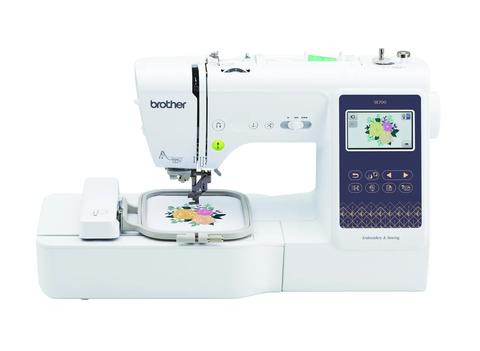
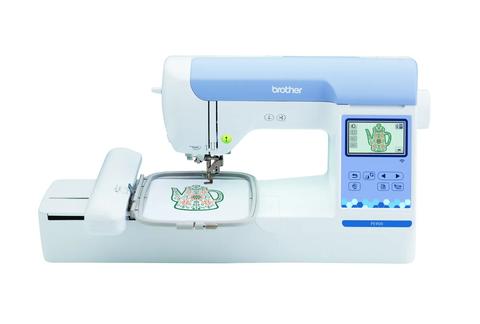
For a terry cloth towel, OESD, Madeira, and Bernina's WeAllSew blog all name tear-away under the towel. Add a wash-away topping on the top surface. Brother gives the same topping advice for thick terry cloth towels in the manuals for the Brother SE700 and the Brother PE900. Source [1] Source [2] Source [3] Source [7] Source [8]
Caps also use tear-away. Madeira sells a heavy tear-away cap backing that fits cap frames. For the machine side of cap work, see hats on a single-needle machine. Source [2] Source [1]
To remove tear-away, support the stitches with one hand and tear with the other hand. Remove one layer at a time. Source [1]
Wash-away stabilizer and toppings
Wash-away stabilizer is the main stabilizer for sheer fabric such as organza and tulle, where other types show through. OESD also names it as the best choice for freestanding lace. Rinse it out under warm running water. OESD warns that stabilizer left in the fabric can make the fabric stiff. Source [1]
A topping is a layer of wash-away stabilizer, usually a clear film, that lies on top of the fabric. It keeps stitches from sinking into the pile of towels, fleece, sweaters, and corduroy. WeAllSew adds that the topping keeps the presser foot out of the loops. Source [1] Source [2] Source [3]
For delicate fabric that must not get wet, such as velvet, Madeira lists a heat-away film in place of the wash-away topping. Source [2]
Stabilizer for patches
Patches have two common methods. In the first method, Madeira hoops twill with crinoline or tear-away backing and embroiders the design. A heat seal film goes on the back of the fabric. Scissors cut the patch out, and an overedge or zigzag stitch finishes the edge. Source [5]
In the second method, the machine embroiders the patch directly on a film. Madeira lists heat-away film for stand-alone patches, badges, and emblems. The University of Illinois names water-soluble stabilizer for pieces with finished edges, such as badges. Source [2] Source [4]
Weight, layers, and hooping
Stabilizer comes in light, medium, and heavy weights. A heavier fabric or a denser design needs a heavier stabilizer. OESD says that two layers of a lighter stabilizer can give better results than one heavy layer. Source [1] Source [2]
Hoop the stabilizer together with the fabric where possible. Keep both flat and smooth, but do not stretch them. Brother says to use a piece of stabilizer that is larger than the hoop, and our hoop size chart lists the hoop sizes of each machine in our guides. If a temporary spray adhesive holds the layers, Madeira says to spray the stabilizer and never the garment. Source [1] Source [7] Source [2]
Brother's carton list for the PE900 names no stabilizer, so stabilizer is a separate purchase. The University of Illinois advises a test on scrap fabric before the real item. The other first purchases are in our supplies list for beginners. Source [9] Source [4]
Questions people ask
- What stabilizer do I use for T-shirt embroidery?
Use cut-away stabilizer. OESD says that knits must have cut-away, because the embroidery stretches with the fabric without it. A mesh cut-away prevents a shadow behind thin or light-colored shirts. Source [1]
- What stabilizer do I use for towels?
Use tear-away stabilizer under the towel and a wash-away topping on top. Brother's SE700 manual says that the topping reduces the nap of thick terry cloth and gives more attractive embroidery. Source [2] Source [7]
- What stabilizer do I use for sweatshirt embroidery?
Use a medium or heavy cut-away stabilizer. OESD names heavy cut-away for sweatshirt fleece. Madeira adds a water-soluble topping on sweaters, sweatshirts, and fleece. Source [1] Source [2]
- What is water-soluble stabilizer used for?
It is the main stabilizer for sheer fabric and freestanding lace, because it dissolves completely in water. It is also the topping that keeps stitches from sinking into towels and other fabric with a pile. Source [1]
- What stabilizer do I use for baby clothes?
Use a soft mesh cut-away. OESD says that its mesh cut-away does not irritate the skin. Madeira lists a mesh cut-away for infant wear and a fusible cover that gives a smooth surface over the back of the stitches. Source [1] Source [2]